Signing a Retail Lease: A Comprehensive Guide for Business Owners
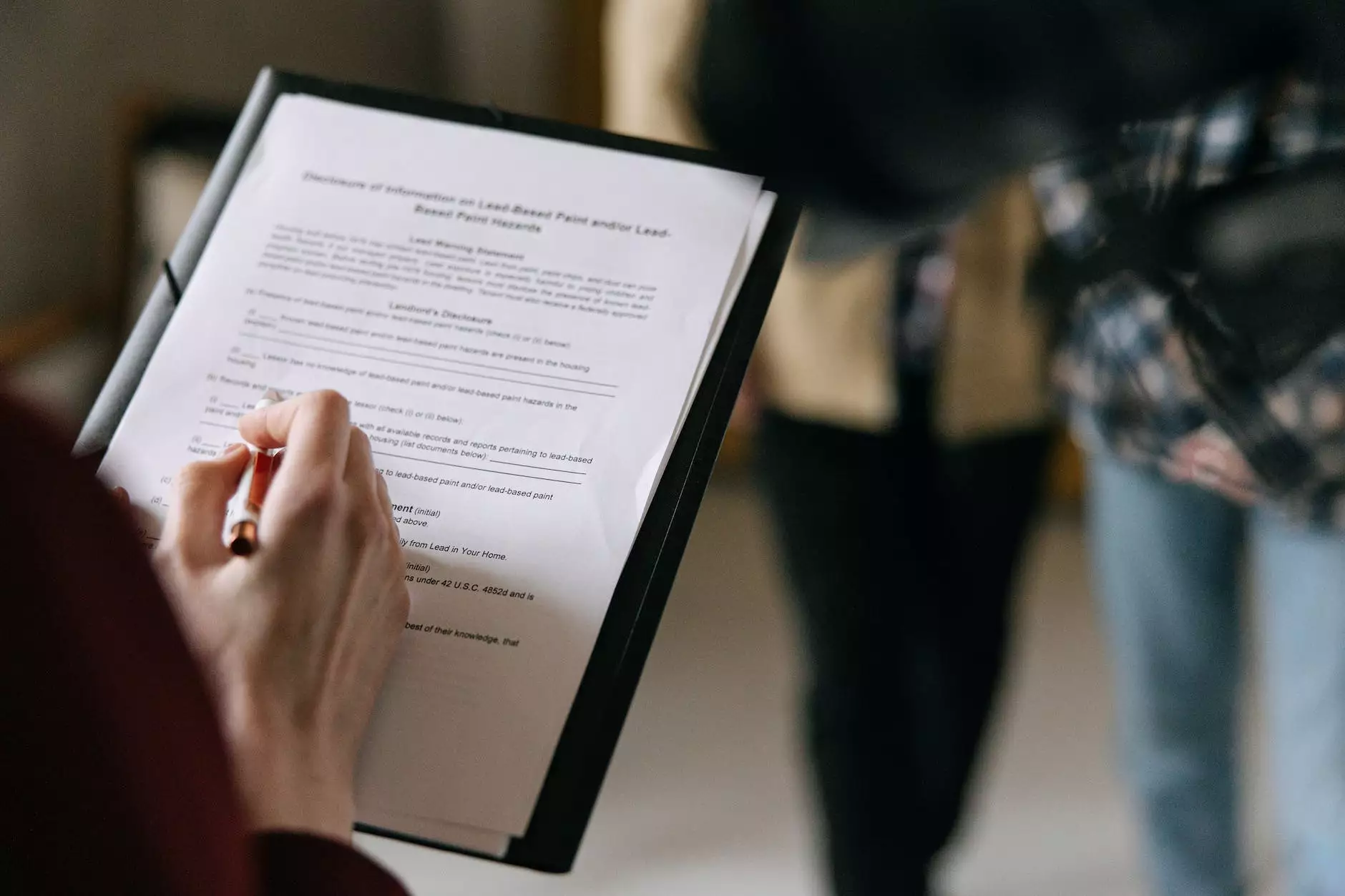
Entering the world of retail business is an exciting venture, but one of the most crucial steps in this journey is signing a retail lease. A well-negotiated retail lease can serve as the backbone of your business, allowing you the freedom and space to thrive. This comprehensive guide will delve into the intricacies of retail leases, important clauses to consider, and tips for maximizing your lease agreement.
Understanding Retail Leases
A retail lease is a legally binding contract between a landlord and a tenant that outlines the terms under which a retail space is rented. It is imperative for both parties to have a clear understanding of their rights and obligations to avoid any potential disputes in the future.
The Importance of Retail Location
The location of the retail space plays a critical role in your business's success. Before signing a retail lease, conduct thorough research to determine whether the area attracts foot traffic and aligns with your target audience. Consider the following:
- Demographics: Who are your potential customers? Understanding the local demographics can guide your decision in selecting the right location.
- Competition: Analyze your competitors in the vicinity and their performance to gauge the market.
- Accessibility: Ensure that the location is easily accessible to customers, with sufficient parking and transportation options.
Key Elements of a Retail Lease Agreement
When reviewing a retail lease agreement, it's essential to focus on several key components that may impact your business significantly:
1. Parties Involved
Clearly identify the parties involved in the lease—typically the landlord and the tenant. Understanding who you are entering into an agreement with is fundamental, as this lays the foundation for all subsequent clauses.
2. Premises
The premises section outlines the leased property, including its precise location, size, and any specific characteristics. This detail is crucial in ensuring that you are leasing the appropriate space for your business's needs.
3. Term
The term defines the duration of the lease. It’s essential to negotiate the length of the lease based on your business's growth strategy. Long-term leases offer stability, while shorter terms provide flexibility.
4. Rent and Escalation Clauses
Understand the rent amount and any escalation clauses that may increase your payments over time. It is advisable to negotiate rental increases linked with inflation rates or market conditions, rather than standard fixed increments.
5. Security Deposit
A security deposit serves as a safeguard for the landlord against defaults. The amount and conditions for the return of this deposit should be clearly defined to avoid disputes upon lease termination.
6. Utilities and Operating Expenses
The lease should clarify who is responsible for utilities and operating expenses. Sometimes, these costs are included in the rent, while other agreements require tenants to bear these expenses, which may include maintenance, taxes, and repairs.
Permitted Use and Alterations
The permitted use clause specifies what you can or cannot do within the premises. Make sure that the intended use aligns with your business model; otherwise, you may face legal issues down the road.
When considering any alterations or improvements to the space, review the conditions under which changes can be made and whether landlord approval is required. This clause is critical if you anticipate the need for renovations to suit your business needs.
Insurance and Liability Considerations
Retail leases often require tenants to maintain a certain amount of insurance, protecting both parties in case of accidents or damages. Comprehensive liability insurance is typically necessary, and you must provide proof to the landlord before occupying the space.
Default and Remedies
In the event of a Tenant default—such as failing to pay rent or breaching lease terms—the lease should outline the procedures the landlord will follow. Understanding your rights and obligations in these scenarios will help you manage risks associated with signing a retail lease.
Negotiating Your Retail Lease
The negotiation phase is one of the most critical parts of the leasing process. An effective negotiation can save you thousands of dollars and provide greater security for your business. Here are some tips for successful negotiations:
- Do Your Research: Know the market rent in the area and have data ready to reinforce your position during negotiations.
- Be Clear About Your Needs: Articulate your business needs clearly to find a mutual agreement that works for both parties.
- Consult a Professional: Engage with a commercial real estate agent or attorney who specializes in retail leases for guidance.
- Negotiate Flexibility: Seek clauses that allow for modifications or subleasing options in case your business evolves.
Common Pitfalls to Avoid
When signing a retail lease, it's vital to be aware of common pitfalls that may jeopardize your business:
- Ignoring the fine print: Always read the entire lease and understand every section, especially the ones that may impose penalties.
- Lack of Exit Strategy: Ensure you understand the procedures and penalties associated with breaking the lease before the term ends.
- Overlooking Repairs and Maintenance Clauses: Clarify who is responsible for repairs to prevent unexpected costs.
Conclusion: Maximizing Your Retail Lease
In conclusion, signing a retail lease is a significant step toward establishing your retail business. By understanding the essential components of the lease, negotiating wisely, and being aware of common pitfalls, you can create an agreement that fosters growth, security, and success for your business. Investing time and effort in this process not only affects your financial health but also sets the stage for your business's future.
For assistance with understanding and negotiating your retail lease, consider consulting with experienced professionals, like Antham Group—your partners in navigating the complexities of the contracting process.