Understanding the Importance of Counterfeit Currency: A Look into Buying Counterfeit Pound Sterling
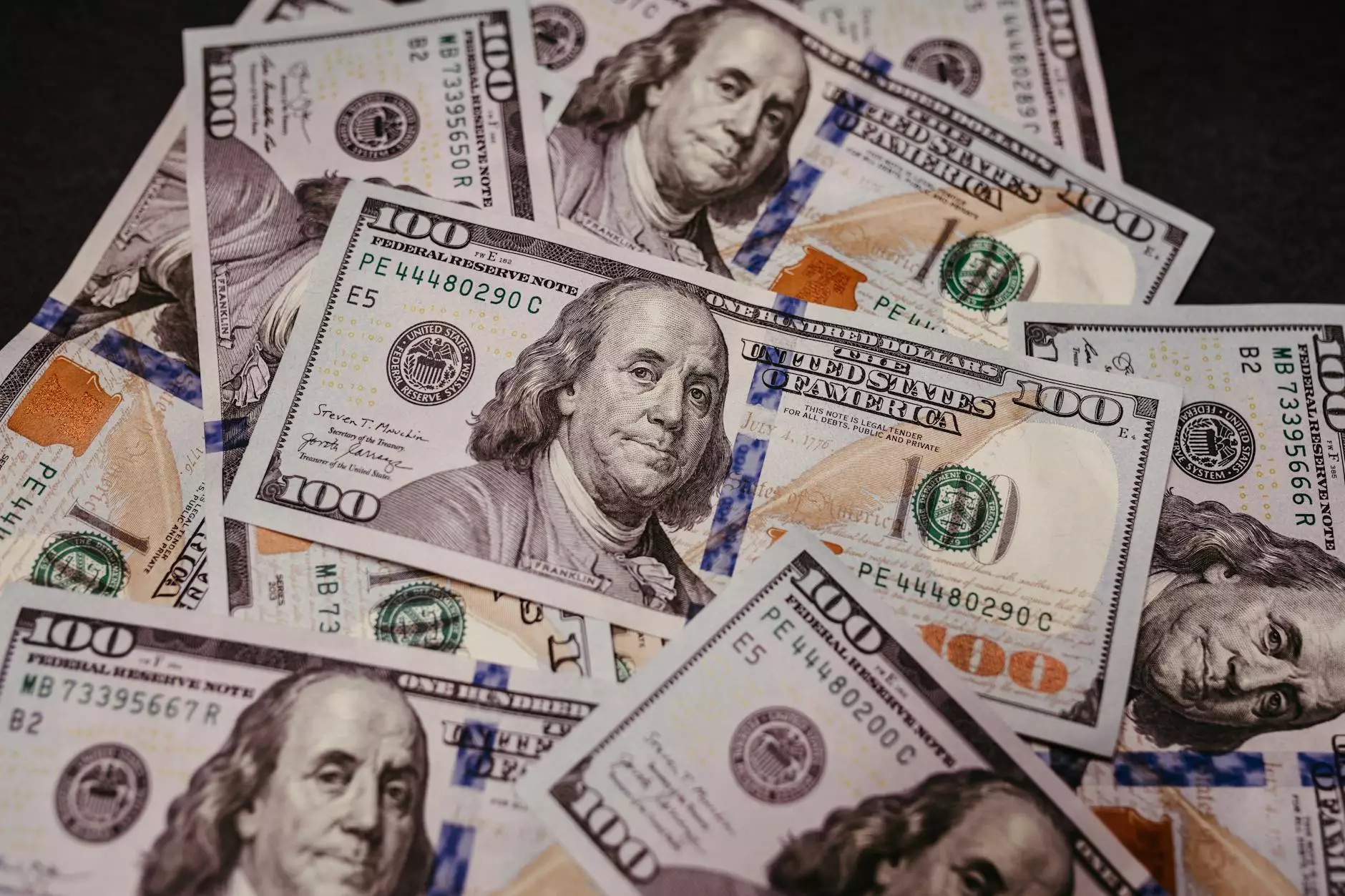
The world of currency is intricate and multifaceted, where the legalities and ethical implications of buying counterfeit pound sterling come into play. In the contemporary market, counterfeit money has been a subject of intrigue and considerable debate. This article delves deep into the realm of fake money, examining its uses, dangers, and the broader implications for businesses and consumers alike.
The Allure of Counterfeit Currency
Counterfeit currency, particularly the pound sterling, often attracts those seeking to capitalize on its value without the necessary legal backing. Various factors contribute to this fascination:
- The art of deception: Crafting fake currency has nearly become an art form, with counterfeiters developing increasingly sophisticated techniques.
- Financial advantages: Some might perceive purchasing counterfeit currency as a quick route to financial gain, enabling spending without direct consequences.
- A historical perspective: The history of counterfeit currency is rich with stories of ingenuity, triumph, and downfall, providing a narrative that can be captivating.
Legal Implications of Counterfeit Currency
Before delving deeper into the world of buying counterfeit pound sterling, it is essential to understand the legal ramifications involved:
Counterfeiting currency is a serious offense in most jurisdictions. Engaging in such activities can lead to hefty fines, imprisonment, and a criminal record. The Bank of England actively fights against counterfeiting, implementing sophisticated security measures to protect the integrity of the pound sterling.
The Economic Impact of Counterfeit Currency
Counterfeit money influences the economy on several levels:
1. Undermining the Trust in Currency
The presence of counterfeit currency can damage public trust in the financial system. People rely on the legitimacy of their currency, and when counterfeiting becomes widespread, confidence weakens, impacting spending and saving behaviors.
2. Financial Losses to Businesses
Businesses face significant risks when counterfeit currency infiltrates their operations. Accepting fake notes can lead to:
- Loss of revenue: Businesses lose money when they unwittingly accept counterfeit bills.
- Brand damage: An incidence of counterfeit acceptance can harm a brand's reputation.
- Increased costs: Additional security measures to detect counterfeits can raise operating costs.
3. Law Enforcement Costs
Governments allocate substantial resources towards combating counterfeiting, which diverts funds from other urgent needs.
Why People Neglect the Risks Associated with Counterfeiting
Despite the risks, many individuals may consider buying counterfeit pound sterling due to several myths and misconceptions:
- Perceived anonymity: Some believe that purchasing counterfeit currency can be done without detection. However, with modern technology, this often proves false.
- Low initial investment: The notion that one can acquire fake notes at a low cost may be tempting, but the long-term consequences are severe.
How Counterfeit Currency is Produced
The production of counterfeit currency has evolved significantly over the years. Modern counterfeiters utilize advanced technology to create realistic replicas of banknotes.
1. Print Technology
Utilizing high-resolution printers, counterfeiters can produce banknotes that closely resemble the real thing. These printers can replicate texture, color, and intricate designs found on genuine currency.
2. Security Features
While genuine banknotes contain numerous security features like watermarks, holograms, and color-shifting inks, counterfeiters strive to reproduce these elements. However, there will often be subtle differences that law enforcement can easily detect.
Ethical Considerations in the Counterfeit Market
Engaging with counterfeit currency brings significant ethical dilemmas. It is essential to question:
- Is it morally acceptable to exploit counterfeit currency for personal gain?
- What impact does it have on individuals and businesses, particularly those affected by counterfeit transactions?
- Does purchasing counterfeit currency contribute to a larger cycle of crime and economic instability?
Alternatives to Counterfeit Currency
For those interested in the allure of the counterfeit world, it is essential to explore legitimate alternatives:
1. Novelty Currency
Many companies produce novelty money for entertainment purposes. This currency is marked as fake but can be a fun collector’s item or gift.
2. Educational Resources
Learning more about money management, currency security, and the financial system can provide insights into the importance of legitimate financial practices.
3. Investment in Legal Currencies
Investing in real currencies or stock markets provides a legitimate pathway to wealth without the legal repercussions of counterfeiting.
Conclusion: The Risks and Realities of Buying Counterfeit Pound Sterling
In conclusion, while the fascination with buying counterfeit pound sterling exists, it is crucial to tread carefully. The legal, ethical, and economic implications far outweigh any perceived benefits. Rather than engaging in counterfeit practices, individuals and businesses should focus on legitimate financial strategies that foster stability and growth.
By understanding the intricacies of fake money and its impact on society, we can make informed decisions that contribute positively to the economy. The allure of counterfeit currency can be strong, but the reality is fraught with risks that are not worth taking.
Explore our website, undetectedbanknotes.com, for more insights into the world of currency, ensuring you remain informed and aware while navigating the financial landscape.
buy counterfeit pound sterling