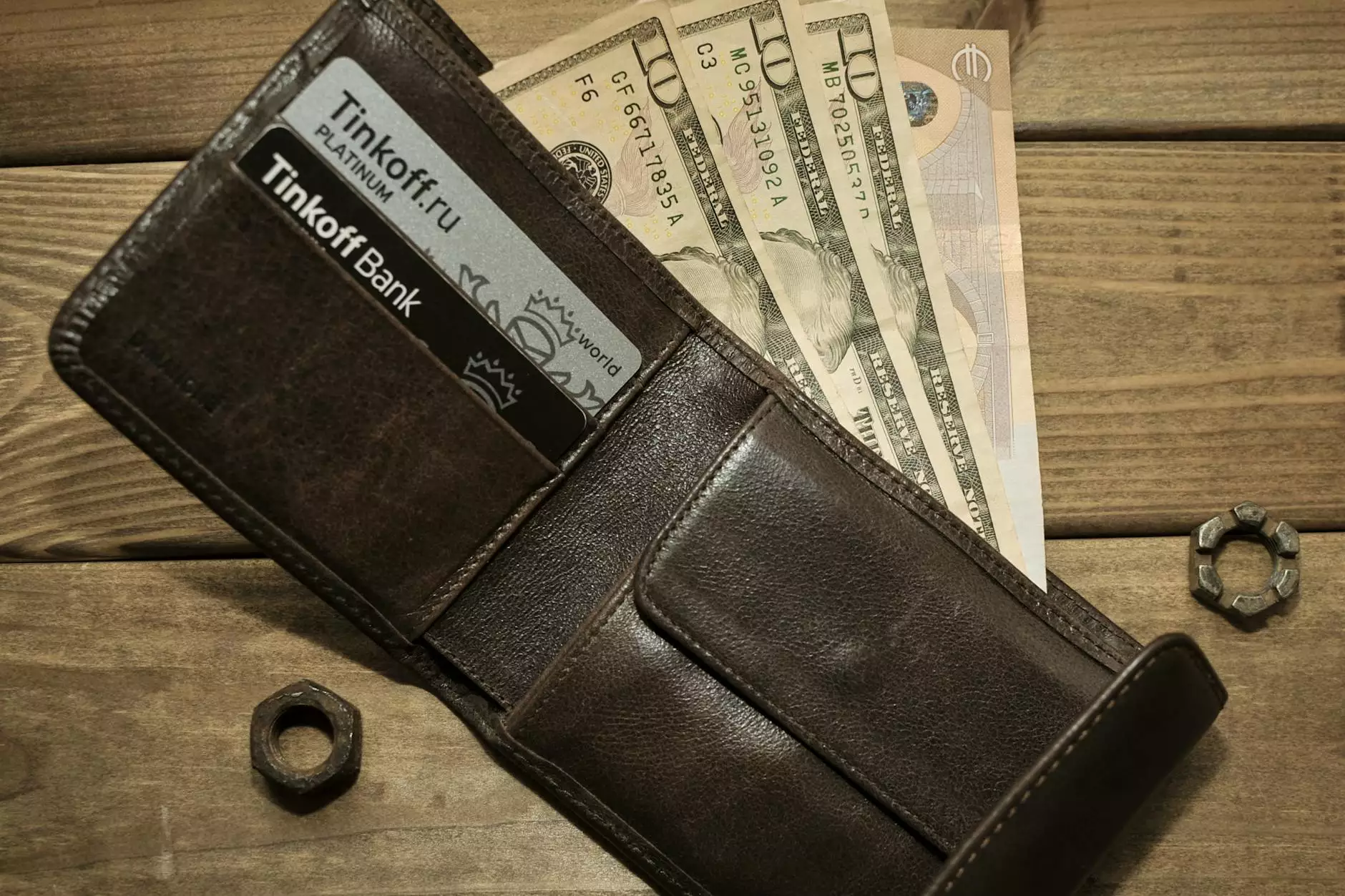
Understanding false money: Detection, Risks, and Ethical Perspectives
In today's complex financial landscape, the challenge of identifying false money—or counterfeit currency—has become increasingly significant for individuals, businesses, and governments alike. The proliferation of fake documents and fake currencies poses serious risks to economic stability, personal security, and trust in financial systems. This comprehensive article delves into the multifaceted world of false money, exploring its types, detection methods, legal implications, and how innovative technologies are combating this persistent issue.
What is false money? An Introduction to Counterfeit Currency
At its core, false money refers to any form of currency or financial instrument that is forged with the intent to deceive, often convincing recipients that it is genuine. This includes fully counterfeit bills, altered banknotes, or digitally manipulated documents that mimic authentic records.
Counterfeit currency is not only a violation of laws but also a threat to economic stability. Criminal enterprises often produce fake money to fund illegal activities, undermine legitimate businesses, and manipulate markets. Understanding the nuances of false money is crucial for safeguarding assets and maintaining financial integrity.
The Types of False Money and Fake Documents
1. Counterfeit Banknotes
Counterfeit banknotes are the most visible form of false money. They are artificially created copies of genuine currency, designed to deceive cash handlers and consumers. Advanced counterfeiters employ high-quality printing techniques, including the use of similar paper, inks, and security features like holograms, watermarks, and microtext.
2. Fake Digital Documents
With the advent of digital technology, fake documents—such as false ID cards, fake passports, and forged certificates—have become prevalent. These are often generated using sophisticated software that mimics official templates, making detection increasingly challenging.
3. Fake Paper Money and Cheques
Forgery extends beyond cash to include fake checks, money orders, and securities. Criminals forge these documents to extract funds fraudulently or commit financial crimes.
4. Altered Authentic Money
Sometimes, genuine currency is altered—for example, changing serial numbers, denominations, or security features—to deceive recipients. These are often more subtle but still classified under false money.
The Impact of False Money on Economy and Society
- Economic Disruption: Counterfeit currency can destabilize economies, leading to inflation and loss of public confidence.
- Financial Losses: Businesses and individuals suffer direct losses from accepting fake money or fake documents.
- Legal Consequences: The circulation of false money is illegal, with severe penalties including fines and imprisonment.
- Threat to Security: Fake documents facilitate identity theft, immigration fraud, and other criminal activities.
Detecting false money: Techniques and Technologies
Traditional Detection Methods
- Visual Inspection: Checking for obvious signs of counterfeit—poor print quality, mismatched colors, or irregularities.
- Touch and Feel: Authentic currency has specific textures and embossed features unlikely to be replicated accurately.
- Security Features: Verifying watermarks, security threads, holograms, and microprinting under proper lighting.
Advanced Detection Technologies
- UV Light Inspection: Detecting invisible security features that glow under ultraviolet light.
- Magnification Devices: Examining microtext and fine details that counterfeiters cannot easily replicate.
- Digital Counterfeit Detectors: Electronic devices that analyze banknotes for authenticity by measuring magnetic, optical, or infrared properties.
- Biometric and AI-Based Solutions: Incorporating machine learning algorithms and biometric verification for document validation.
The Role of High-Tech Solutions at highteclab.com
At highteclab.com, we specialize in advanced technology solutions to combat false money and fake documents. Our offerings include:
- Counterfeit Detection Devices: Portable and high-precision tools designed to instantly verify banknotes and security documents.
- Fake Document Authentication Software: Sophisticated algorithms that analyze digital and physical documents for signs of forgery.
- Security Material Production: Secure printing and embedding covert features to prevent duplication.
- Training and Consulting: Expert guidance on best practices for detection and prevention in financial institutions and businesses.
Why Combating false money Is a Shared Responsibility
Effectively combating false money requires a multi-layered approach involving individuals, businesses, financial institutions, and government agencies. Here’s why collaboration is paramount:
- Legislation and Enforcement: Governments need strict laws and dedicated agencies to pursue counterfeiters.
- Awareness and Education: Training individuals on detecting fake money and documents reduces chances of acceptance.
- Technological Investment: Businesses must invest in the latest detection solutions to stay ahead of counterfeiters.
- International Cooperation: Since fake money and forged documents often cross borders, global collaboration is essential for effective control.
The Future of False Money Prevention
The landscape of false money is constantly evolving with technological advancements. Here are some emerging trends:
- Blockchain Technology: Enhancing security and traceability of transactions.
- Biometric Authentication: Using fingerprints, facial recognition, or retina scans for document verification.
- AI and Machine Learning: Developing smarter detection systems that learn and adapt to new counterfeiting techniques.
- Digital Currencies: The rise of central bank digital currencies (CBDCs) may reduce reliance on physical cash and counterfeit issues.
Legal and Ethical Considerations in Fake Document Production
Producing or distributing fake documents and false money is inherently illegal and unethical. However, entities like highteclab.com operate within strict legal frameworks to develop detection and prevention solutions that support law enforcement and uphold ethical standards.
Our commitment to integrity ensures that technology is used responsibly to fight crime, rather than enable it. We advocate for transparency, compliance, and international cooperation to combat the menace of false money.
How Businesses Can Protect Themselves from False Money
Implement Robust Verification Protocols
Incorporate multiple layers of security checks for cash and documents, including digital verification tools and on-site detection devices.
Employee Training
Regularly train staff to recognize counterfeit features and suspicious behaviors associated with fake money or documents.
Invest in Technology
Use technologically advanced solutions from trusted providers like highteclab.com to minimize risk exposure.
Stay Updated on Latest Trends
Continuously monitor developments in counterfeit techniques and adjust security measures accordingly.
Conclusion: Staying Ahead of False Money Threats
Counterfeit currency and fake documents represent an ongoing challenge that requires vigilant awareness and technological innovation. By understanding false money, its forms, and detection methods, individuals and organizations can take proactive steps to protect themselves. High-tech solutions, combined with legal enforcement and international cooperation, form the cornerstone of an effective strategy against this menace.
Remember, in the battle against false money, knowledge is power, and technology is the key to safeguarding our financial systems and societal integrity.
For more information about our cutting-edge anti-counterfeit solutions and how we can assist your organization, visit highteclab.com.